Chat with us, powered by LiveChat Innovate | Lhasa Limited

Innovate

Discover the latest innovations in computer-aided reasoning and information systems.

Forced degradation study design Zeneth ICH Q1A(R2)

How Zeneth Soft Spots Supports confident ICH Q1A(R2) Forced Degradation Study Design

Forced degradation study design that is both defensible and efficient requires insight into the specific reactivity of an API before work begins in the lab. For a structurally complex molecule, each ICH Q1A(R2) stress condition can implicate multiple functional groups and competing degradation pathways, the challenge is not generating predictions, but knowing which degradation sites

How Zeneth Soft Spots Supports confident ICH Q1A(R2) Forced Degradation Study Design Read More »

Liquid organosilicon material used in industrial and scientific applications

Advancing regulatory confidence in in silico methods for organosilicons through targeted data sharing

As governments and regulators across the UK, EU and beyond move to reduce reliance on animal testing, the need for reliable and scientifically robust in silico approaches has become increasingly important. For organosilicon chemistry, limited representation in existing models has traditionally constrained predictive confidence. Through targeted, pre-competitive data sharing between industry and independent scientific experts,

Advancing regulatory confidence in in silico methods for organosilicons through targeted data sharing Read More »

What’s next for nitrosamine qualification? Key insights from industry experts

What’s next for nitrosamine qualification? Key insights from industry experts

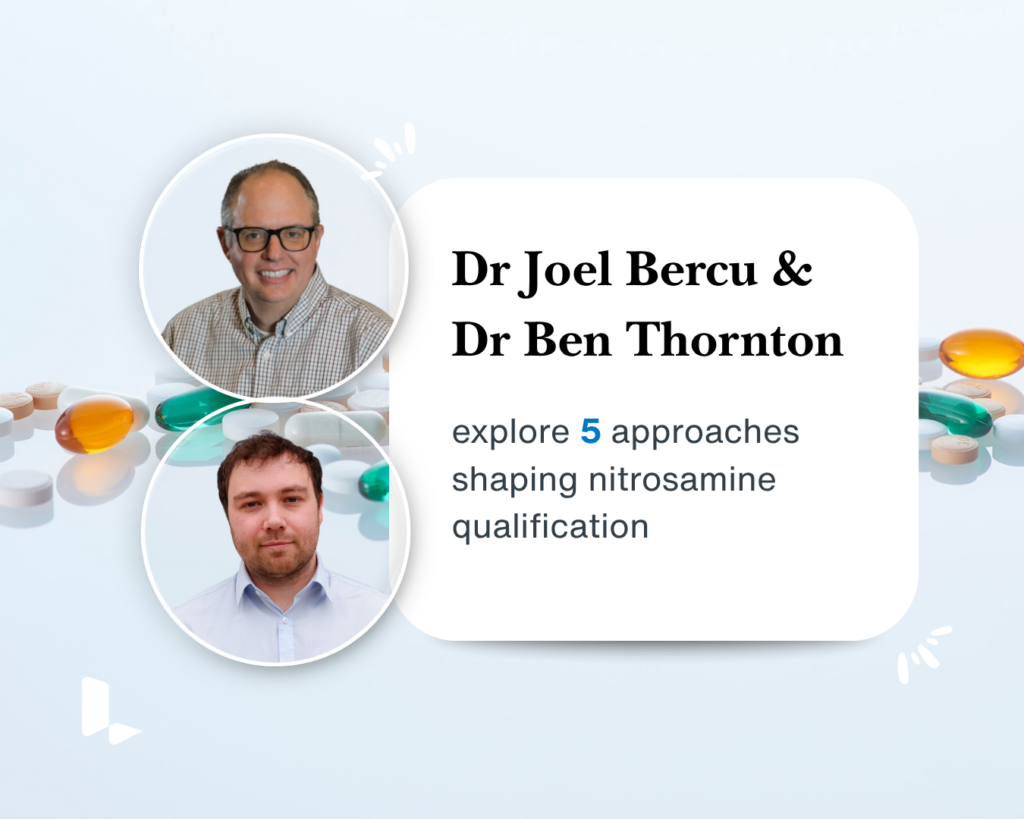
Nitrosamine qualification remains one of the most complex and fast-moving areas in pharmaceutical safety assessment. As scientific understanding advances and regulatory expectations continue to evolve, organisations are increasingly looking beyond one-size-fits-all approaches to support confident, scientifically justified decisions. In our recent webinar, Science-led approaches to nitrosamine qualification and safety assessment, Dr Joel Bercu and Dr

What’s next for nitrosamine qualification? Key insights from industry experts Read More »

Bridging prediction and regulation in pharmaceutical science across latin america at the lhasa symposium 2026

Bridging Prediction and Regulation in Pharmaceutical Science across Latin America

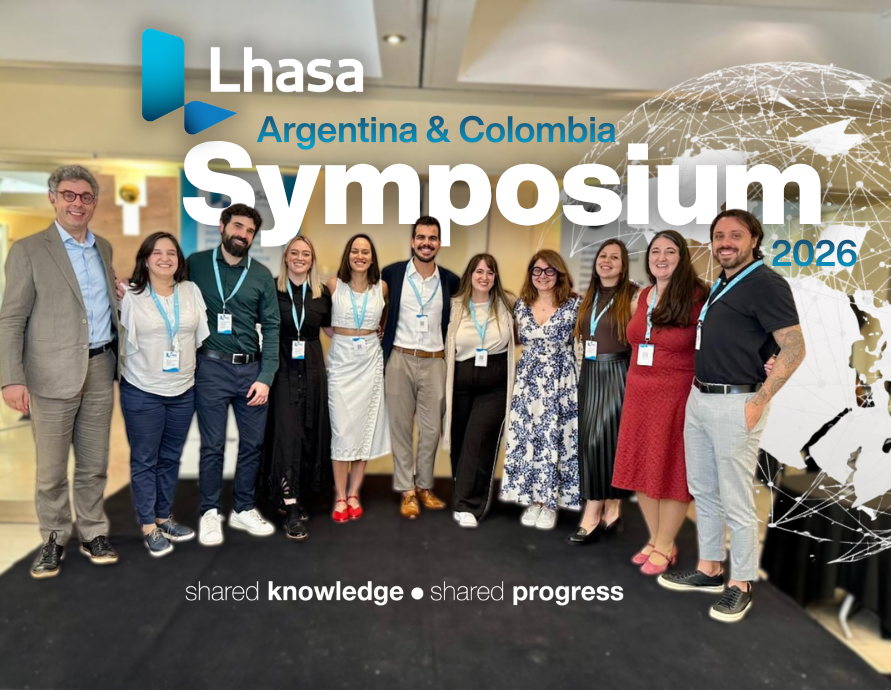
Join us for a recap of the Lhasa Pharmaceutical Science Symposiums held in Colombia and Argentina in March 2026. Participants gained a clearer understanding of how in silico approaches can be applied to assess a variety of impurities, exploring these tools for themselves during demonstration sessions and through real-world case studies shared by Lhasa Limited.

Bridging Prediction and Regulation in Pharmaceutical Science across Latin America Read More »

Untitled design 18 1

Lhasa Young UK Scientist Award 2025: Recognising innovation in genotoxicology research

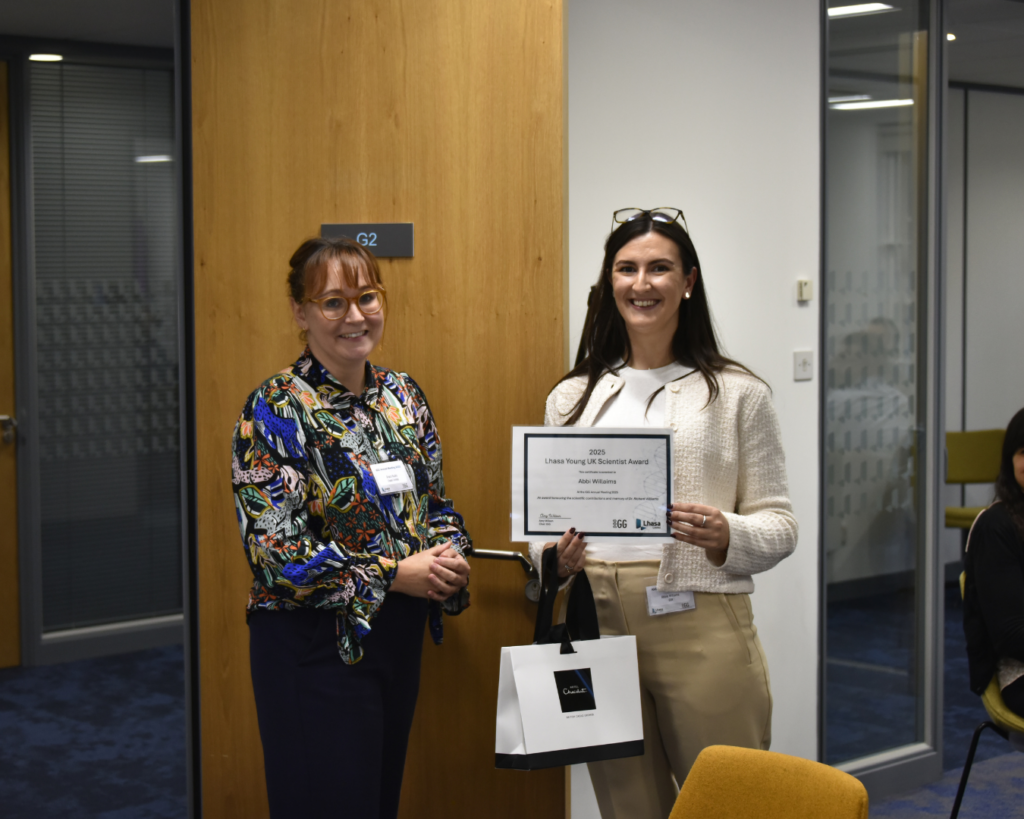
At Lhasa, we believe that the future of science is built on collaboration and the brilliance of the next generation. We are delighted to announce that the 2025 Lhasa Young UK Scientist Award was presented at this year’s Industrial Genotoxicology Group (IGG) Annual Meeting, an event which brings together experts to explore the evolving role

Lhasa Young UK Scientist Award 2025: Recognising innovation in genotoxicology research Read More »

Read our blogon Metabolite ID and toxicity assessment of metabolites

Confident metabolite ID and metabolite toxicity assessment with Meteor

Understanding the metabolic fate of compounds is a requirement for safe pharmaceutical development. Whether supporting early-stage drug discovery, conducting impurity qualification for generics, or preparing data for regulatory submissions, scientists require transparent, scientifically credible predictions aligned with global guidance. As a member-driven and not-for-profit organisation, we have developed Meteor to meet these needs. Our relaunch

Confident metabolite ID and metabolite toxicity assessment with Meteor Read More »

Blog image 9

Problem solving using toxicology risk assessment software

In today’s chemical safety landscape, scientists need reliable data to make confident decisions. Challenges in workflows has resulted in toxicology risk assessment software continuing to evolve alongside the advancements seen across the regulatory landscape and the developing methodologies that meet guidelines. Vitic is Lhasa Limited’s expertly curated toxicity database, developed to support informed decision-making in

Problem solving using toxicology risk assessment software Read More »

Strengthening mutagenicity and genotoxicity assessment with complementary (Q)SAR

Strengthening mutagenicity and genotoxicity assessment with complementary (Q)SAR

Mutagenicity assessment is no longer debated; it is embedded within regulatory science. The more important question today is not whether in silico models should be used, but how confidently and transparently their outputs are interpreted. Under ICH M7, the mutagenic potential of pharmaceutical impurities must be evaluated using two complementary in silico methodologies, one expert

Strengthening mutagenicity and genotoxicity assessment with complementary (Q)SAR Read More »

Our latest blog uncovers how to meet ICH Q3D guidelines with ease using our new tool Vitic Q3D.

Avoid unnecessary testing: Achieve confident ICH Q3D compliance using regulatory aligned consortium data

Approaching regulatory compliance with confidence ICH Q3D guidelines require assessing and controlling elemental impurities for regulatory compliant development of drug products. The workflow emphasises a risk-based control strategy to limit elemental impurities, which can be derived from residual catalysts, raw materials, reagents that can be present in the API or excipient of the drug product.

Avoid unnecessary testing: Achieve confident ICH Q3D compliance using regulatory aligned consortium data Read More »

Lhasa Limited shortlisted for the Lush Prize 2026 for science, advancing non-animal approaches to DART through human-relevant, in silico toxicology.

We’ve been shortlisted for the Lush Prize 2026 – Science

We’re delighted to share that Lhasa Limited has been shortlisted for the Lush Prize 2026 in the Science category, an award recognising research teams whose work is most likely to lead to practical, regulator-accepted non-animal testing approaches. The Lush Prize exists to accelerate the transition to 21st-century toxicology, with the ultimate goal of ending the

We’ve been shortlisted for the Lush Prize 2026 – Science Read More »