Curious to find out what we’ve been up to in 2025? This year, we have driven advancements in regulatory science, delivered innovation in chemical safety software, and built stronger global collaborations.
Click the button above to jump to the video, or read all about our milestones below.
One of our standout moments was our first-ever acquisition of Molecular Networks and Altamira, leaders in chemoinformatics. This new chapter strengthens our ability to support confident chemical safety decisions for cosmetics and personal care products.
These achievements are the result of the dedication of our entire team and the invaluable partnerships we share with our members and the wider scientific community.
“We’re all united by our vision, regulatory submission success without animal testing. In 2025 we’ve made more progress towards that goal.”
Dr Chris Barber, CEO.
Driving scientific innovation for regulatory success
A key highlight of 2025 was seeing our work referenced in major regulatory guidance, including the draft ICH Q3E guideline. This validation underscores the scientific rigour behind our work and its direct impact on shaping global regulatory standards.
“It’s been a fantastic year for us at Lhasa. We’ve poured so much data and knowledge into our solutions, which our members are using to support their chemical safety decisions. Through our innovations, we are helping develop regulatory guidelines on a global level.”
Dr Adrian Fowkes, Director of Science.
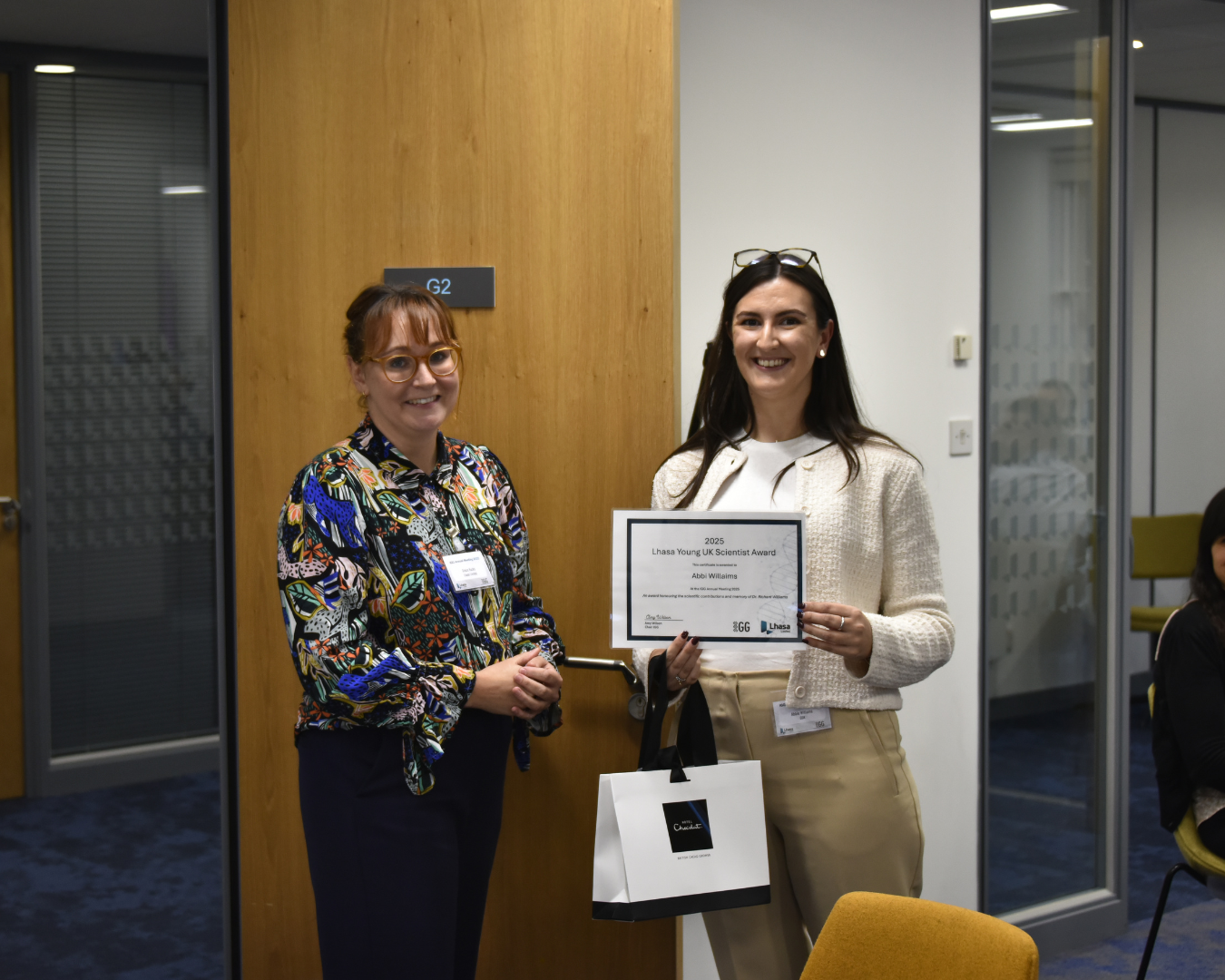
Collaboration has always been at the heart of our non-profit charitable status, and 2025 was defined by our role in bringing together experts to solve complex industry challenges. We hosted several impactful in-person events, including the Annual Meeting of the Industrial Genotoxicology Group (IGG), the Nitrites Collaborative Meeting with IPEC Europe, and the British Toxicology Society Skills Gap Initiative. These gatherings ensured that cross-industry knowledge and consensus continued to drive progress in chemical safety assessment.
Scientific excellence was also recognised globally. Our innovative Development and Reproductive Toxicology (DART) Adverse Outcome Pathway (AOP) work, focused on reducing two species to one in safety testing, received the award for best poster at the European Teratology Society Annual Meeting. Read more about this in November’s edition of The Latest from Lhasa, our Monthly LinkedIn newsletter providing updates on science, events, and chemical safety news.
Further advancing the scientific knowledge base, we published multiple scientific papers and successfully delivered key collaborative research projects, demonstrating the depth and breadth of our scientific endeavours.
“Throughout the year, we’ve published in multiple scientific journals and delivered collaborative research projects across areas such as extractables and leachables, best practice for nitrites in excipients, and nitrosamine safety assessments.”
Dr Grace Kocks, Head of Toxicology.
Connecting with our community and celebrating our culture
Couldn’t make it to one of our in-person events? We delivered over 15 webinars in 2025, attracting more than 1,500 live attendees. Across these virtual events, we explored key topics such as ICH M7 classification and control, forced degradation studies, read-across, and much more.
To reach as much of our global community as possible, we delivered webinars in Spanish, Portuguese, Korean, and Japanese. Our symposia also took us to Brazil, China, Mexico, India, and South Korea, bringing together influential key opinion leaders and regulators from bodies such as the US FDA, Swissmedic, EMA, and ANVISA.
“Making our science more accessible for everyone!”
Upasana Sonigra, Senior Marketing and Communications Partner.
While our external reach expanded, the driving force behind our success remains our internal culture. When we talk about what defines our culture, we refer to our values. But when we say it is driven by our people, we really mean it; it is not just a buzzword. This year, our Culture Champions have led initiatives to enhance mental health and wellbeing, connection among colleagues, and more.
We were incredibly proud to be recognised for this culture, receiving Workplace Culture Champion at the Prolific North Awards and Best Tech Place to Work at the Leeds Digital Festival Awards.
“These achievements reflect the culture we’ve built at Lhasa together. This isn’t about a win for one team; it is success that we can all share and be proud of.”
Tracyann Otteslev, Senior Business Partner, People and Culture.
Cutting edge software to support confident chemical safety assessment
2025 marked a landmark year for Lhasa, with the launch of new and enhanced software solutions designed to give our members greater confidence, efficiency, and scientific defensibility in their safety assessments.
We closed the year with the release of Mirabilis 4.4, introducing critical enhancements to accelerate impurity risk assessment and strengthen regulatory evidence. This update focuses on two core priorities: streamlined workflows and robust, defensible science.
Unified genotoxicity prediction
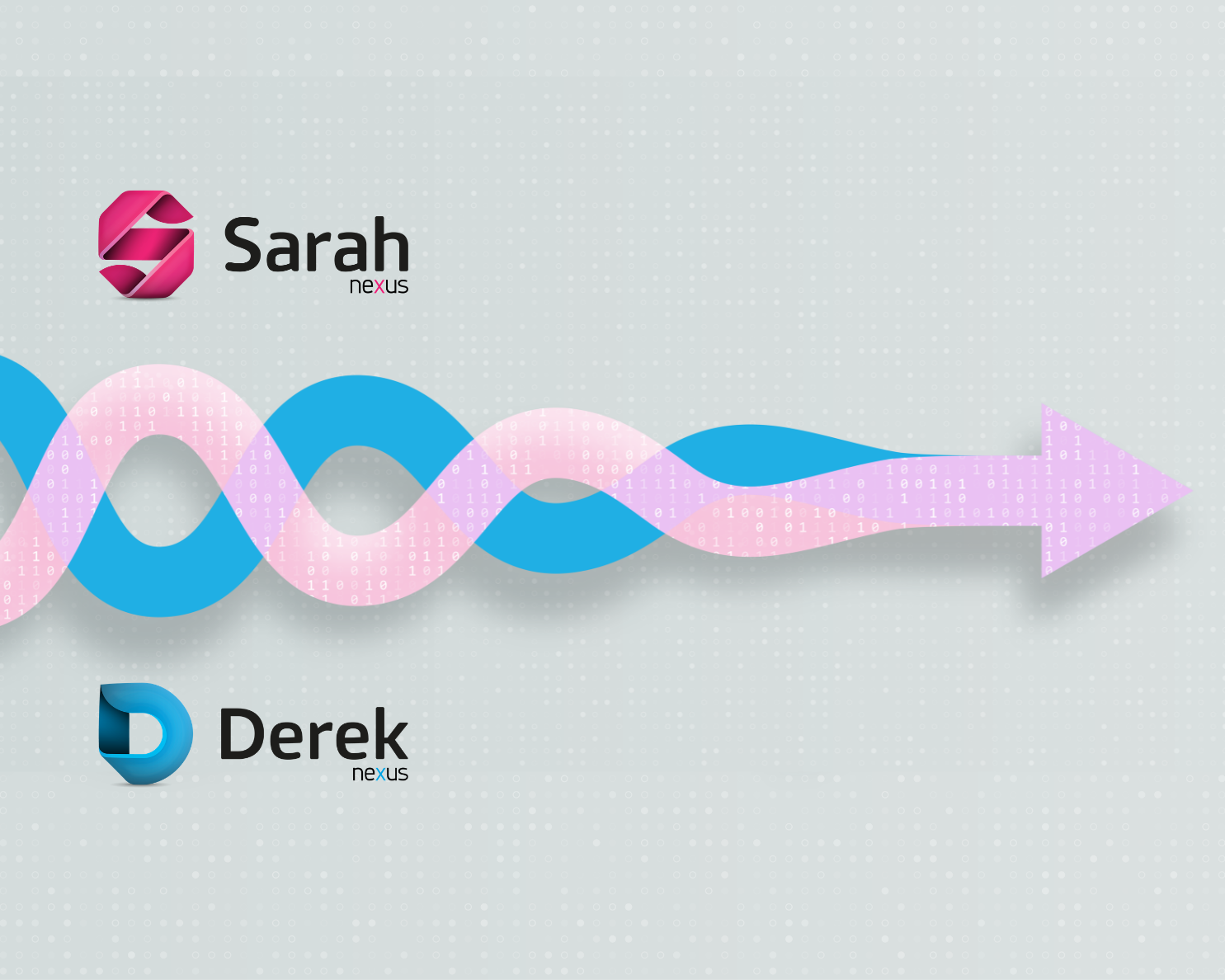
For the first time, members can generate a single-click, combined prediction of mutagenicity and chromosome damage across Derek Nexus and Sarah Nexus. This integration simplifies genotoxicity workflows, reduces duplication, and supports faster, more confident regulatory decision-making.Expanded tools for impurity and elemental risk assessment
We launched a new version of Acrostic, our intuitive read-across tool for establishing acceptable intake limits for novel nitrosamines. Alongside this, Vitic Q3D was introduced to streamline ICH Q3D assessments for elemental impurities, supporting efficient and consistent compliance.Enhanced degradation pathway prediction
Updates to Zeneth now enable more confident, regulatory-aligned prediction of degradation pathways in forced degradation studies, helping scientists anticipate and manage impurity risks earlier in development.
Together, these advances reflect our ongoing commitment to empowering scientists with trusted, evidence-based tools – supporting confident chemical safety decisions and progress towards regulatory success without animal testing.
“With these enhancements, our members can focus on what matters most, assessing science with confidence."
Jessica Magallanes-Castaneda, Software Developer, and Phil Rowell, Senior Product Owner.
Looking ahead to 2026
Thank you to everyone who has been part of our journey this year, including our members, our board and all those we have collaborated and connected with around the world.
“We’re looking forward to 2026. We’ve got some fantastic plans, and we cannot wait to share them with you!"
Dr Chris Barber, CEO.
Watch the video below to hear reflections from our teams and discover highlights from the year.
If you would like to start your Lhasa journey in 2026, visit our careers page to explore our opportunities or sign up to our careers newsletter.
Last Updated on December 18, 2025 by lhasalimited