Attendees saw how compliant ICH M7 impurity classification is carried out in practice, using our end-to-end workflow which combines Vitic, Derek, Sarah, LCDB Plus, Acrostic and more.
We bridged the gap between guidance and application in nitrosamine risk assessment, detailing how to evaluate formation risks in real-world contexts, supporting more confident and defensible decision-making.
Both practical and theoretical tools were explored to highlight navigating regulatory expectations with a seamlessly combined computational and analytical approach.
Experts from Waters Cooperation and D’amico (our Argentina Symposium partner) showcased analytical and experimental based best practices for nitrosamine management.
Attendees were particularly focused on uncovering further details on predictive tool, Zeneth, to identify potential degradation pathways and how to evaluate compatibility risks to support robust stability strategies.
Across each presentation, meaningful conversation and demonstration, our aim was to provide the knowledge and toolkit to deploy methods which are viewed and aligned with regional and global regulatory frameworks.
Your guide to approaching risk assessments with confidence from the Lhasa Limited team
During the symposium, their expertise provided a comprehensive view of how in silico software and high-quality data can inform decisions during assessments across a range of regulatory and scientific contexts.
Key themes included the evolving regulatory landscape, the growing importance of transparency, and the need for robust, end-to-end workflows when assessing impurity risks.

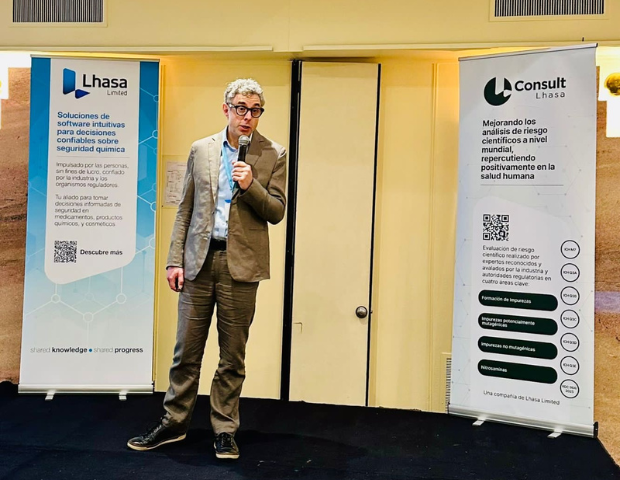
MSc Diego Gomes
In Silico Degradation and Compatibility from a Regulatory Perspective
Degradación y compatibilidad in silico desde una perspectiva regulatoria
What’s Next? The Future of Extractables and Leachables
¿Qué sigue? El futuro de Extractables and Leachables

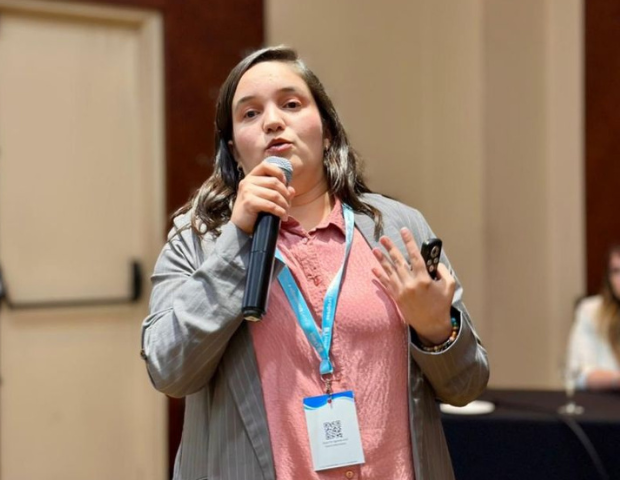
Dr Maria Celeste del Fueyo
ICH M7 in Practice: A Real Case of API Impurity Classification
ICH M7 en la práctica: Caso Real de Clasificación de Impurezas de API

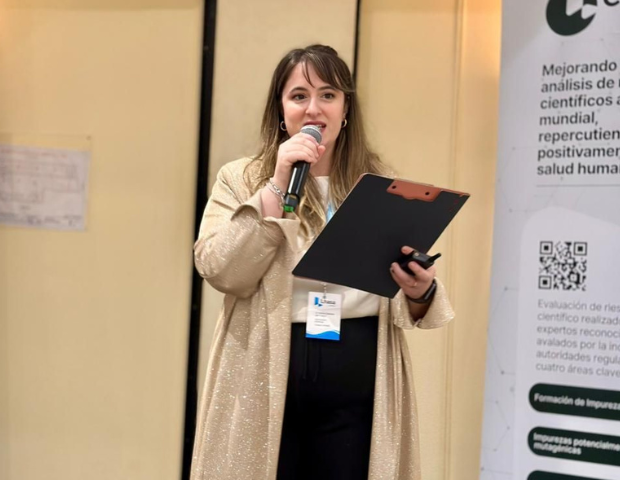
MSc Lucía Toscano
From Start to Finish: Workflow for the Mutagenic Impurity Risk Assessment
De principio a fin: flujo de trabajo de la evaluación de riesgo de mutagenicidad de impurezas

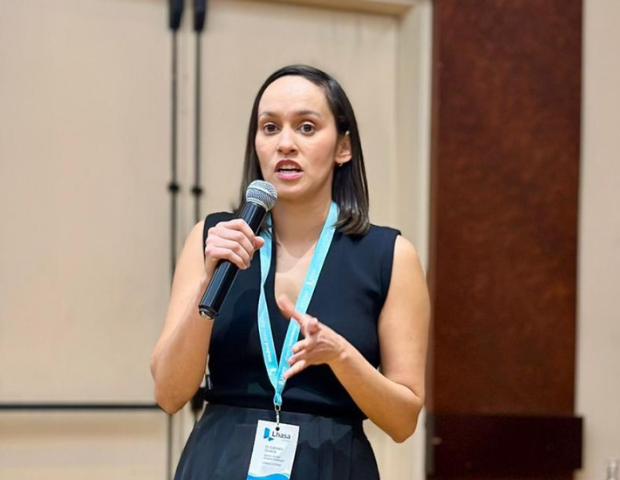
Dr Gabriela Silveira
Nitrosamines in Pharmaceutical Products: Current Regulatory Landscape and Global Expectations
Nitrosaminas en productos farmacéuticos: Panorama regulatorio actual y expectativas globales
If you’d like to explore these topics further, get in touch with our team who can provide the presentation slides or schedule an introductory call to discuss your questions.
We’d like to thank the scientists from the Lhasa Limited and Consult Lhasa teams for their insightful presentations which pinpoint how our solutions and services can harness confidence across each stage of the risk assessment lifecycle.
From the Room: Your Questions, Our Insights
Here are some questions from across the symposiums:
Question
“If an API has no theoretical degradation data, what initial stress conditions would you recommend as a starting point for a degradation study?”
Answer
While there are standard protocols, the most efficient path is to use predictive intelligence to target the most likely degradants first.
We’d love to show you how Zeneth can build a custom degradation map for your specific molecule. Book a demo.
Question
“Do we still need to perform extractable studies, or can we justify them with in silico methods?”
Answer
Regulators now require a formal Quality Risk Management (QRM) approach to justify your experimental design. The goal is to eliminate the “disconnect” between extractables and leachables by using data to build a scientific bridge between the two.
Discuss your ICH Q3E strategy with our experts at Consult Lhasa.
Question
“How is in silico software from Lhasa validated, and how can the results be trusted by regulators (like INVIMA or ICH)?”
Answer
Regulators look at the expert justification behind decisions. Regulators accept in silico data when it is transparent and follows relevant guidelines, such as ICH M7 or ICH Q3A/B for example.
Book a follow up call to discover how to interpret structural alerts and high-quality data to reach an informed conclusion.
Acknowledgements and Thanks to our Latin America Community
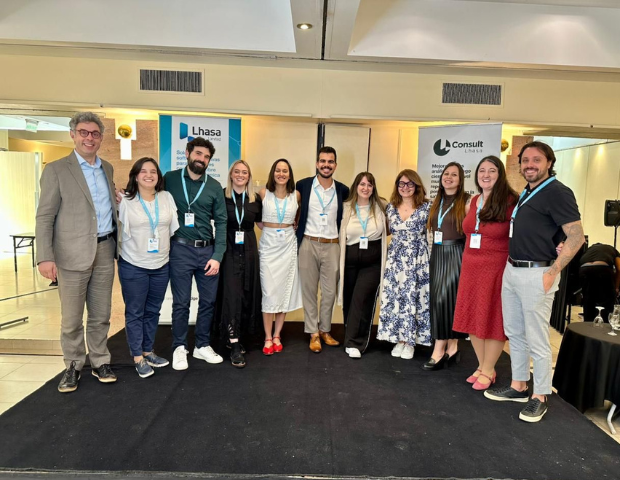
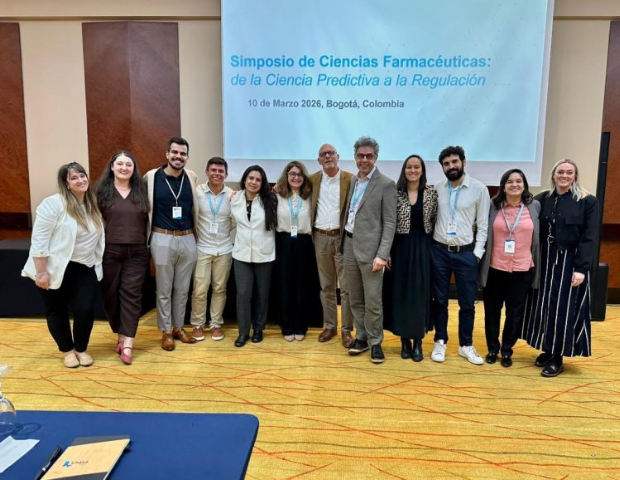
Launching our reputable symposia across Argentina and Colombia couldn’t have been as successful without the involvement of key industry experts, members and the wider Latin America community. Here at Lhasa, we would like to thank everyone who contributed to making these events engaging, innovative and forward-thinking:
Thanks to our regulatory partners, including ANMAT and INVIMA, and other regulatory authorities for your openness, engagement, and insights based on questions and perspectives shared during the sessions.
Thanks to all attendees across Latin America for thoughtful questions and active participation. Hosting our first symposiums in Argentina and Colombia was a milestone for Lhasa, and the success of these events was driven by your engagement.
Thanks to our industry experts, we are grateful for the combined extent of insightful presentations and the depth of expertise shared. Each session helped bring real-world context to the scientific and regulatory challenges discussed throughout the symposium.
- Universidad del Atlántico
- Formuladora Técnica
- Waters Corporation
- Spektra Consultoria, a Consult Lhasa Company
- Gador S.A.
- Bioeliga
- Baliarda S.A.
- Axios Research Inc.
Thanks to our members in the region for your continued interest in expanding the use of in silico solutions, such as Zeneth, Vitic Q3D, Derek and Sarah. We’re here to support your journey in exploring new ways to address complex challenges in risk assessments.
From prediction to regulation, curiosity to uncover the most confident decision-making software is what drives our innovation in the pharmaceutical landscape.
Next Stop: Brazil
We are excited to return to Brazil for the Lhasa 2026 Symposium- and this year, we will take the Symposium to Rio de Janeiro! This years event will span across two days, heightening the industry expertise and regulatory insights available.
Discover how Lhasa Limited facilitate global alignment and strengthen confidence in chemical safety decisions. Full event details here.
Simpósio Lhasa Brasil 2026
Tue 9 Jun 2026 - Wed 10 Jun 2026
Windsor Barra Hotel, Rio de Janeiro, Brazil
Sessions start 9:00AM
Last Updated on April 21, 2026 by lhasalimited